
The magical origins and evolution of jewellery
One thing we love about jewellery, is that it is a universal and timeless type of adornment. Ever since the beginning of times we have been wearing forms of jewellery, because it makes us feel protected, empowered or simply beautiful. While we could write a whole book on this topic, in this blogpost we aim to tell you a little bit about the history of jewellery and its evolution throughout the ages up until now: because being able to see jewellery as a timeless form of art in a larger context makes it even more special. Sit tight for this small yet magical historical journey!

Where does the word ‘jewellery’ come from?
Before diving into the history of jewellery, you may wonder where the word itself comes from. The word ‘jewellery’ derives from the noun ‘jewel’, an anglicized version of the Old French word ‘jouel’. Tracing the word’s etymology back even further, this in turn stems from the Latin word ‘jocale’, which means ‘graceful object’. The word’s classical roots reveal that jewellery has existed for a long time already, but in fact, the first piece of jewellery dates back to much earlier than Roman times.
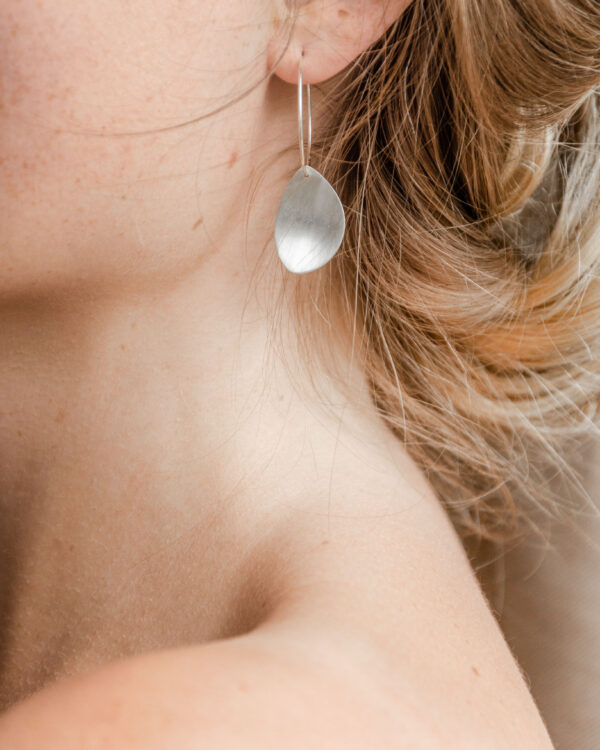
The earliest known pieces of jewellery: natural creations
The earliest known pieces of jewellery created and worn by humans were made from natural materials: from plants, berries, stones and wood, to shells, feathers, small bones and colored pebbles (which were later made into gems). The very oldest piece of jewellery that we know of was found by a team of archeologists working in the Bizmoune Cave, which is located in the southwest of Morocco. The jewellery piece consisted of 33 shell beads, that were estimated to be between 142.000 and 150.000 years old. Amazing, isn’t it?
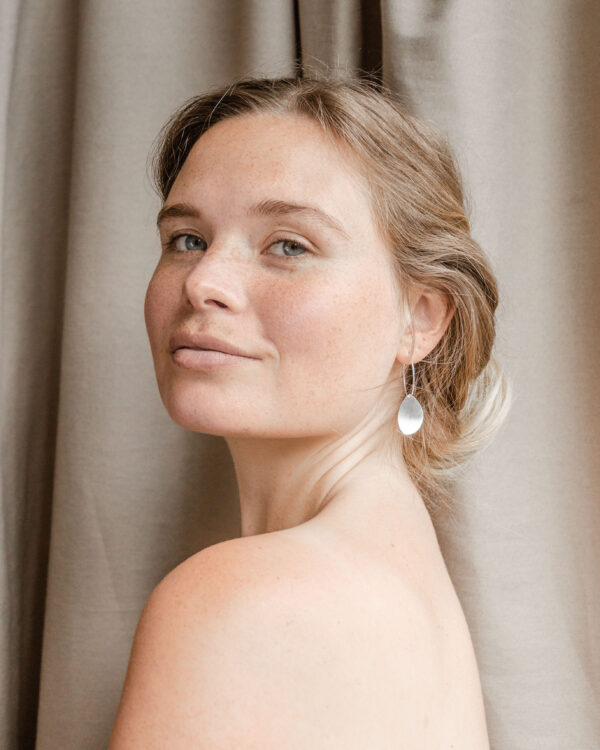
A timeline: evolution of jewellery throughout the ages, from ancient times until now
Much like art and literature, pieces of jewellery and the way they were worn reflect the society and its values of the time in which they were created. We’ll tell you a little bit about the role of jewellery in different periods of time:
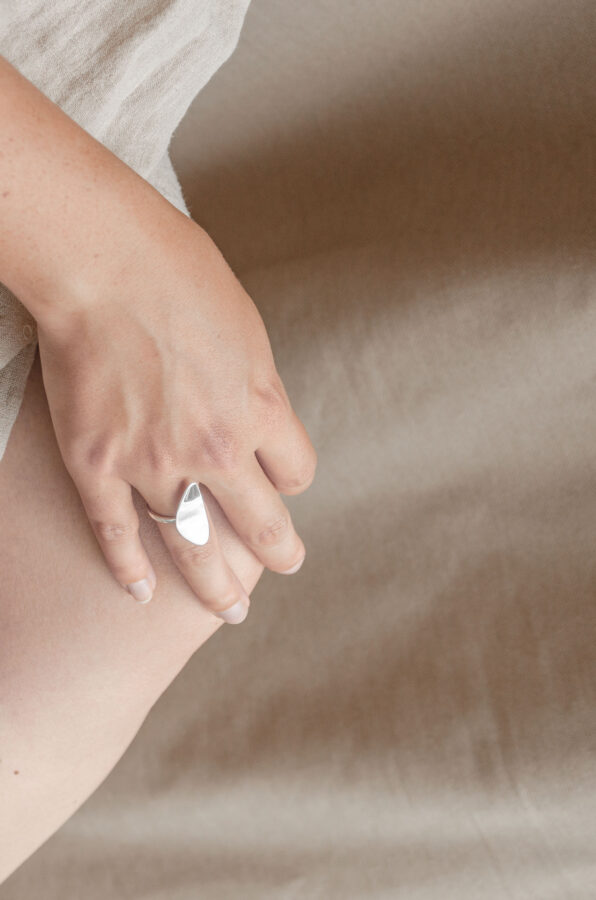
Jewellery in Ancient Greece and Rome
In Ancient Greece and Rome, jewellery was worn to indicate status, rank, or wealth, but also for aesthetic purposes. Gold jewellery was fashioned into the shapes of acorns, rosettes and serpents (think of the popular serpent-shaped bracelets from that time). Signet rings were also worn by warriors to signify their victories.
Medieval jewellery
Jewellery of the medieval times reflects the hierarchical society of this time period: royalty and nobility wore gold, silver and precious gemstones. Some Medieval jewellery pieces have cryptic inscriptions, which were believed to protect the wearer from danger. Lower classes of society wore less valuable metals, such as copper or pewter. During this time, the colours of materials (such as gemstones and enamel) and jewellery’s perceived protective power were highly valued.

Renaissance jewellery
Renaissance jewellery is characterized by exclusivity, splendor and glitter, partly due to the discovery of new stone cutting techniques. Even more so, jewellery and gemstones were believed to have special powers: they would protect against certain things, bring prosperities and encourage certain emotions or characteristics in those who wore them.

Jewellery of the 19th century
With the 19th century’s many industrial developments came a longing for the past, specifically a nostalgia for classic jewellery in the style of ancient Greece and Rome, as well as Medieval jewellery. Jewellery styles were eclectic and focused on nature and botany, including patterns of fruits and flowers as a counter response to society’s dreary mechanization, under influence of Romantic poets and artists of that time. The flowers that inspired the jewellery pieces had a language of their own, communicating symbolic meanings, much like Julia Otilia’s Botanical Collection.
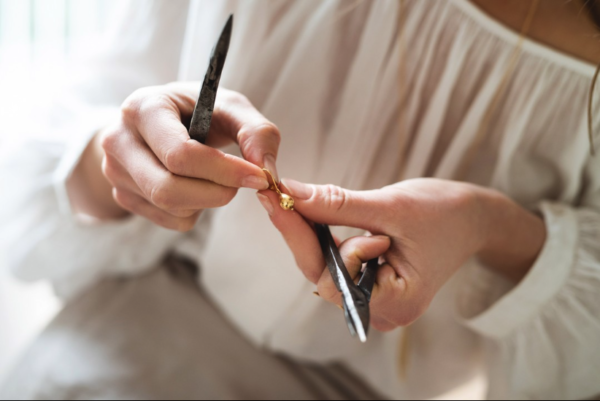
Arts & Crafts movement
The Arts & Crafts movement, also in response to the rapid industrialization, disapproved of the machine-led factory system and focused on crafting individual, unique pieces of jewellery by hand, as we do at Julia Otilia as well: slow jewellery as opposed to a fast-paced, factory-made approach.
Art Nouveau & Art Deco jewellery
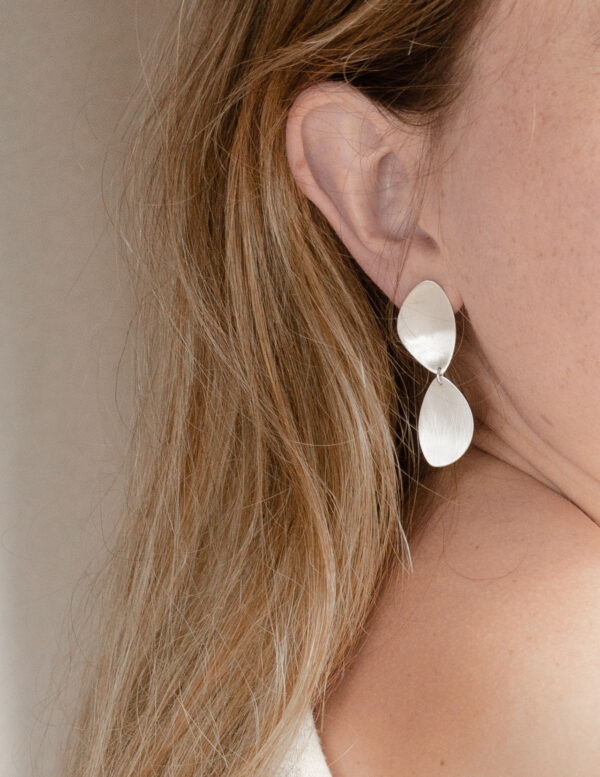
In reaction to the academic art and historicism of the 19th century, Art Noveau (also known as Jugendstil or Modern Style) brought a modern shift focusing more on organic plant- or flower-like shapes, adding a sense of dynamism and asymmetry, using more subtle materials such as glass and enamel. Around this time, the most beautiful diamond jewellery was also made in the Garland Style, made famous by the house of Cartier. Art Deco brought innovation and glamour, with sharp, geometric shapes. Its designs were sometimes inspired by Eastern cultures as well, as India’s influence became more prominent. Meanwhile, New York rivalled Paris as a centre for fashion.
Contemporary jewellery
Modern-day jewellery is rather divergent, ranging from avant-garde styles to more classic designs. On one hand, jewellery design has become more experimental, developing jewellery pieces into wearable art, while on the other hand much jewellery is mass-produced and more accessible than ever.
The history of jewellery has brought us to where we are now: our jewellery’s characteristics relate back to developments, styles and ideals from many different time periods. But above all, Julia Otilia’s take on jewellery is classic and timeless, with organic shapes inspired by nature, joyfully celebrating art, luxury and slow craftsmanship.
Julia Otilia is a sustainable, ethical and fair jewellery brand from Utrecht, the Netherlands. Are you looking for a new piece of sustainable jewellery? Don’t forget to check out our collection.